
Rated: 3.5 / 5
An introduction that is sadly needed.
Sometimes you discover a film out of the blue around a convenient time when certain topics are abound in the circles you are a part of. When the hot topic of the day is the concern over pedophilia, the exploitation of the underaged (ie those 16 and under), the Epstein fallout, attempts at justifying underage sex, etc. A can of worms that must be opened. Now I’ve already covered this topic on three separate occasions. The first time mainly tackling the hypocrisy of the topic and why discussing it shouldn’t be taboo, because avoiding the nuance of the situation leads to some extremely unfair positions. The second time basically building off my primary motivation for making the post, to instigate discussion through outrage over the subject (ie me causing enough outrage to instigate a response, which is generally a tactic defined as trolling, except this was with the intention of having a well-thought-out conversation that dares to go into the topic and cover the nuances of it). The third time was on responsibility vs. irresponsibility, and how my ideal society is far from achievable at this point in time considering I underestimated how rotten it has become (and how much worse it has gotten since then).
I don’t really see any point in covering it any further, even if it’s inevitable someone is going to bring this up and associate it with this film, as they would Child Bride (1938). It’s borderline mandatory to bring this up when covering a film that has full-frontal female nudity… where the females are 12 years old (it’s far more explicit than Child Bride). Because in this day and age, when the average moral person sees child (or teen) nudity, their first though tends to be “child porn.” And why shouldn’t they think that (at least in America)? We’re constantly bombarded by news stories of pedophiles taking advantage of kids, child sex-trafficking rings, and using sex with a child as a means of blackmailing actors and politicians and businessmen among others… with the primary people responsible for the worst and most numerous of these offenses virtually never facing consequences for their actions, or just getting a slap on the wrist over it (usually if they’re non-white, which are statistically responsible for the majority of all this). We live on-edge, paranoid, in fear of a child predator claiming another victim when it is becoming more and more frequent. How could our instincts be anything other than outrage over the fact that showcasing underage nudity will provoke these perverted predators into action?
The thing is, it didn’t used to be this way, especially in other countries outside the U.S. like Norway. Once upon a time, we used to live in an era where child predators were a rare occurrence. More rare than hearing about a murder or robbery in your town or county. We used to live in a time that was more innocent, where one didn’t usually assume the worst when witnessing the sight of a naked teenager. Anymore than we would assume the worst when viewing a sculpture of a naked woman. Because the more innocent-minded we are, the more likely we are to see the artistic merit in a thing rather than the potential harm it can cause (directly or indirectly). Living in a society where our minds haven’t been corrupted to think of the worst in things, the most perverse in things, has the benefit of seeing art instead of pornography. Of seeing renaissance rather than a target for subversion and rape. Of seeing something with merit, nuance, beauty, and purity… without immediately assuming it will inevitably be corrupted and desecrated. Because there was a time where we were a people possessing a mature and controlled mind, who could look at a sculpture with bare breasts, or a dick and balls, admiring the physique that could be achieved by the best in society, the skill and hard work it took to achieve it, the motivation it brings in a manner encouraging onlookers to progress towards forming themselves to be similar to that sculpture, to make themselves the best in society and ultimate better their civilization over time… as opposed to thinking about just ogling and groping those parts and making sex jokes over them.
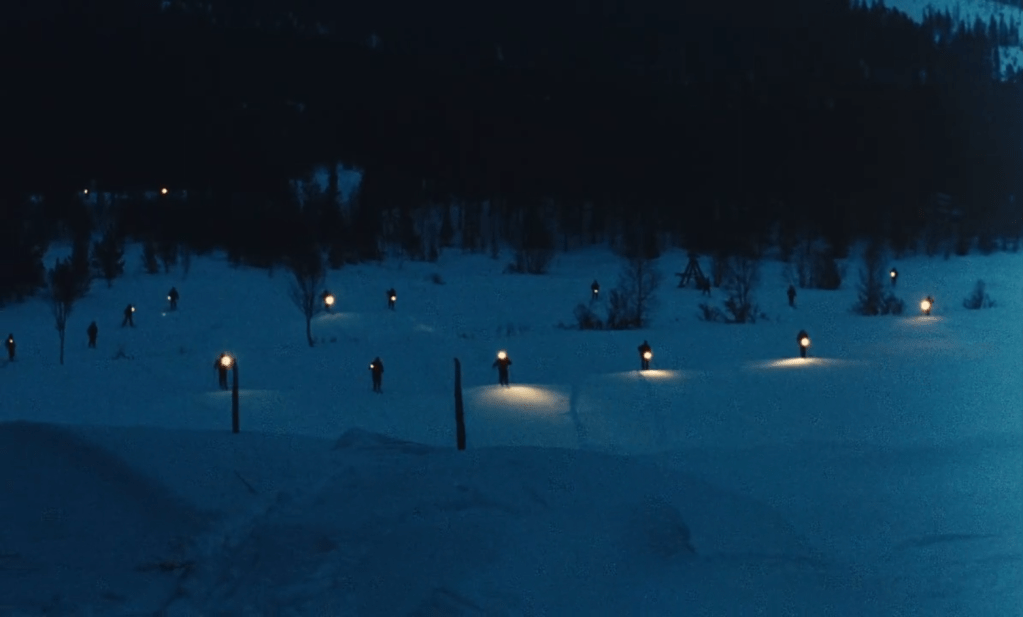
This film comes from a more mature time where there were more mature minds capable of handling a mature movie that assumed the respectable nature people had on-average. Where one could witness the sequence of two girls undressing in front of one another until they were naked in front of each other, and only think about what was going through their minds when they saw each other. What is the mature-minded viewer to take from what is currently happening? What to think about it after the film is over, and what it meant towards character arcs and the film’s theme(s)?
I intend to cover this film with a mature attitude. While this won’t stop those helplessly lost with their irreversibly corrupted and perverted minds from watching this film and thinking their nasty thoughts about it… while taking a break from their pornography… my hope is that this will be insightful to those who are not lost causes and capable of being mature. So with that long-winded introduction out of the way…
Thoughts on the film.
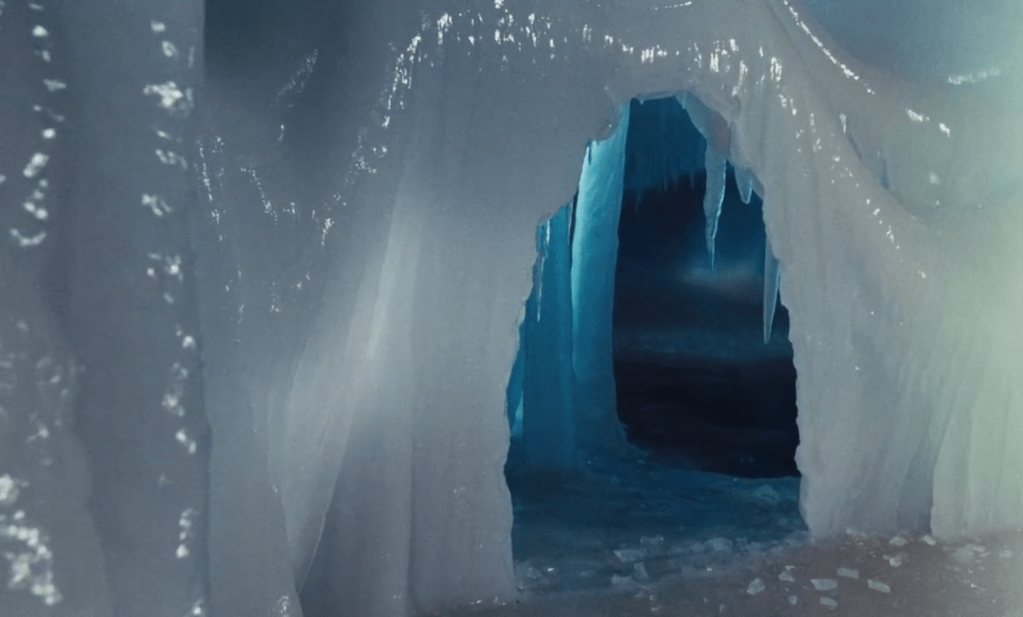
The Ice Palace is a metaphor for being trapped and frozen by the weight of a past event, unable to progress in life and thus inevitably have it end. This “weight” being an aspect not really explained and left mysterious regarding the character Unn. Some event occurred in her past, possibly family related (father and/or mother, as she currently has neither), which makes her choose to be isolated from other people, including girls her age in school; since it’s expected that most children in school will naturally want to mingle, befriend one another, have conversations, share in activities, bond in friendship, etc. But she does none of that.
Except for one girl: Siss. Unn takes a liking to her, and it’s mutual. They form a friendship. But one night (the start of the film), that aspect of their friendship becomes threatened. Because as the camera angles indicate, with how Unn looks at Siss, where she looks, how she looks, what she tries… this attraction becomes physical and threatens to go beyond simple friendship. There’s some implications regarding the images of pinup models Unn has in her room to indicate she has some lesbian tendency that is in its early stages, but hasn’t fully matured yet. But she pursues it in the scene where she suggests they both get undressed. And they do, they both fully disrobe and look at each other. For Siss, who is more innocent-minded, she looks back at Unn with a smile. Unn however, even though she instigated it, continually looks down and away, aware of how awkward this is. This is key here. How Siss at one end is of the more innocent mind and happily goes along with this. While Unn is aware (to an extent) that her intentions behind this are less innocent, and is ashamed of doing this, which brings tears to her eyes. It is Unn herself who then suggests they both put their clothes back on. Which they do, but Unn knows she was going along a path that she shouldn’t, and had a sense that this would ruin something good. Because she knew that there is something valuable about the current state of the friendship they share that was threatening to change at that very moment, so she attempted to walk it back before it was too late.
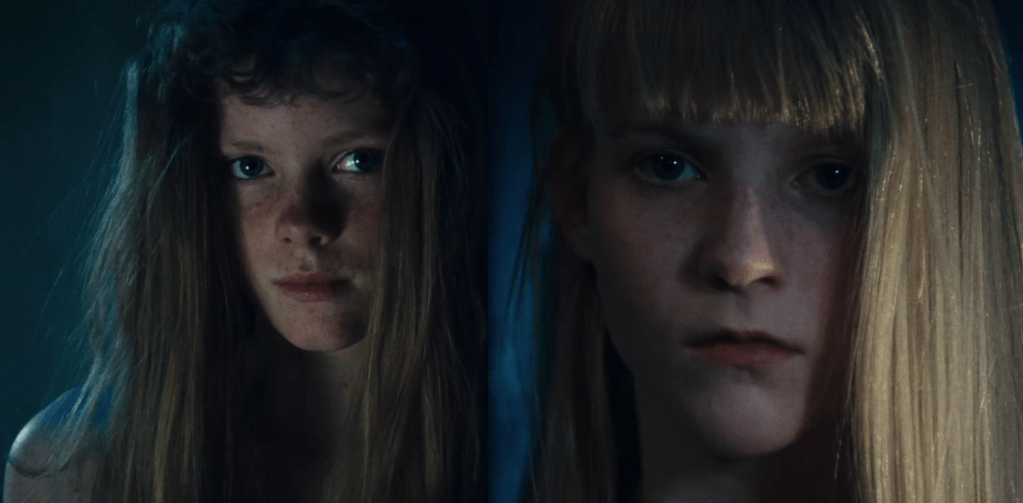
But Unn couldn’t completely take it back. Siss didn’t think anything wrong of it, due to her innocence; she didn’t know what line there was that could be crossed. But Unn did, knowing to some extent that she had just lost something, some part of her innocent childhood. Daring to explore something that shouldn’t be explored too deeply for too long. And knowing what she was about to do would set a tragic fate for her into motion. Shame and guilt leading her to the ice palace. Because she wishes to go elsewhere other than school where she would see Siss again, and thus have to face her shame again (internally), which is something she would rather avoid.
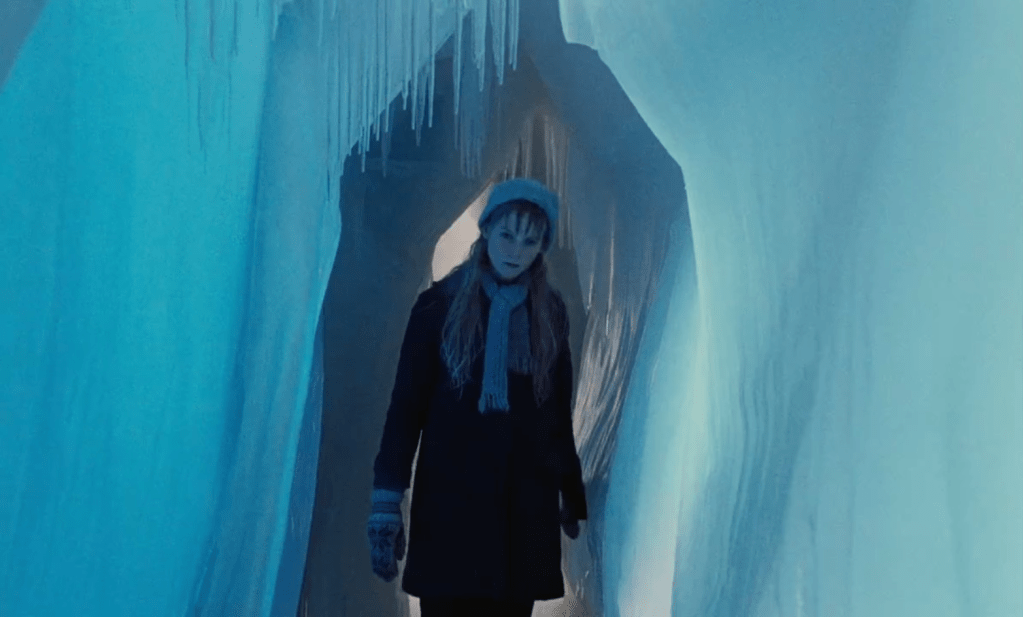
The ice palace itself is a fascinating site. How Unn discovers it, choose to traverse it carefully, only for her descent to turn into a rapid fall. A metaphor for her discovery and exploration for something that is fascinating yet sacred (too sacred for her), only for it to lead to a rapid descent as she is incapable of being careful enough for it to be otherwise. But it doesn’t lead to any immediate harm, just shock and a warning against pursuing this too far; much like her feelings for Siss (who she also finds fascinating and beautiful). The warning is further delivered with how cold the walls are to the touch, interesting at first, but quickly becomes painful, which she shirks away from; yet still she chooses to continue in. She witnesses fascinating sites within the palace, and initially seems awed by it, this this quickly changes to something else. As if this isn’t something amazing to witness anymore. Her shouting “Hey!” initially seems as something for fun, but quickly changes to something more empty. Her initial shout has echoes, the later one does not. Walking through in wonder, then walking through destroying icicles, damaging the beauty of the place (in a minor way). Motivations left unclear and open to interpretation. She is aware of the dangers of this palace, the beauty yet menace of the icicles that dangle from its ceiling and coming up from the floor. Knowing that it’s dangerously cold and what will happen if she continues. Yet a sadness continues to drive her, as if she’s knowingly punishing herself, going through the room of falling water, drenching herself. Touching the walls for a longer period of time, no longer caring how much it hurts. And eventually succumbs to hypothermia. Because she would rather be frozen in her current state than have to deal with moving on with her relationships, dealing with her emotions, getting over what’s holding her back in her past. Dying in a place of beauty, but also in a place of cold nature. Because nature can be as beautiful as it can be harsh; it is to be respected, as all beautiful things must be.
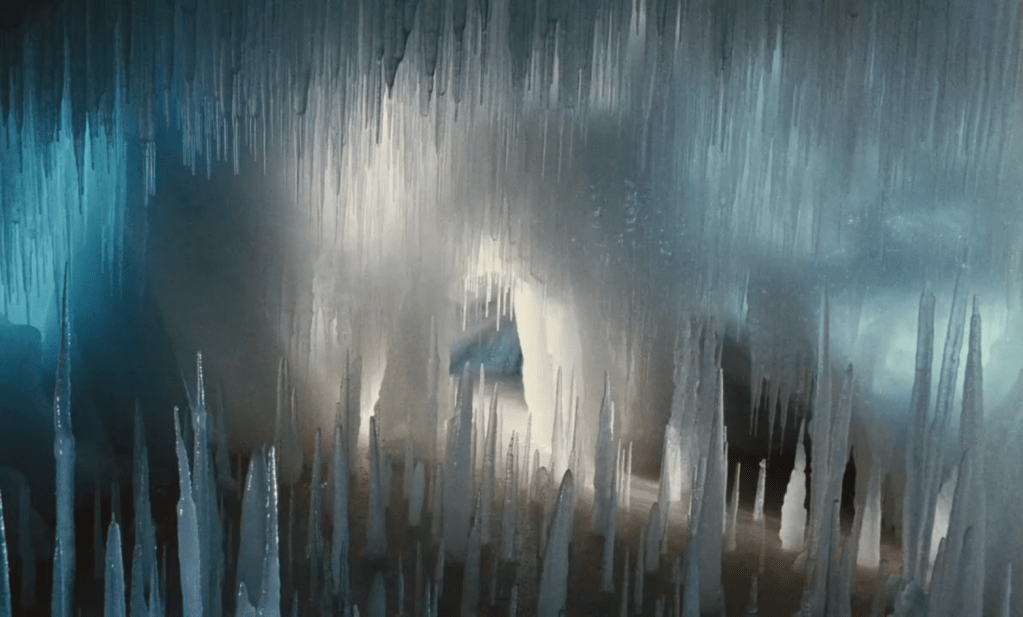
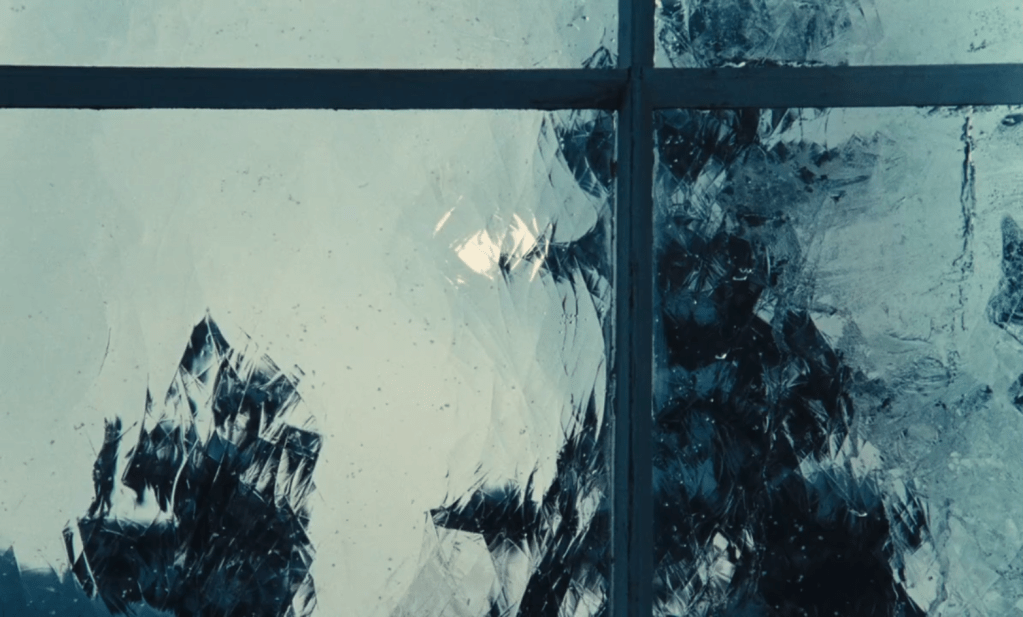
Which leaves Siss, and everyone else, wondering what has become of Unn. Soon she becomes enveloped in sadness (and the promise she made to Unn, about not telling anyone about that awkward moment they shared, weighing her down because of several people asking her if she knows why Unn would be anywhere other than at class). And as shown by certain camerawork, this sadness and desire for Unn to still be alive threatens to freeze her in the past as well… being unable to move on and accept that Unn is dead. From the beginning of the film up until the last 10 minutes or so, the environment is cold, snowy, and in some cases icy. Her inability to accept Unn’s demise makes her unable to mingle with the other girls in school. Even going so far as to be against a new girl in class taking a seat at what was once Unn’s desk (her wearing clothing similar to Unn makes the theme more blatant). She isolates herself, acting somewhat like Unn; possibly an implication that Unn’s loss of parents may have led her to emotionally isolate herself from everyone else similar to what Siss is now doing? Unless she is able to move on, she will freeze and die as well (this can be taken metaphorically).
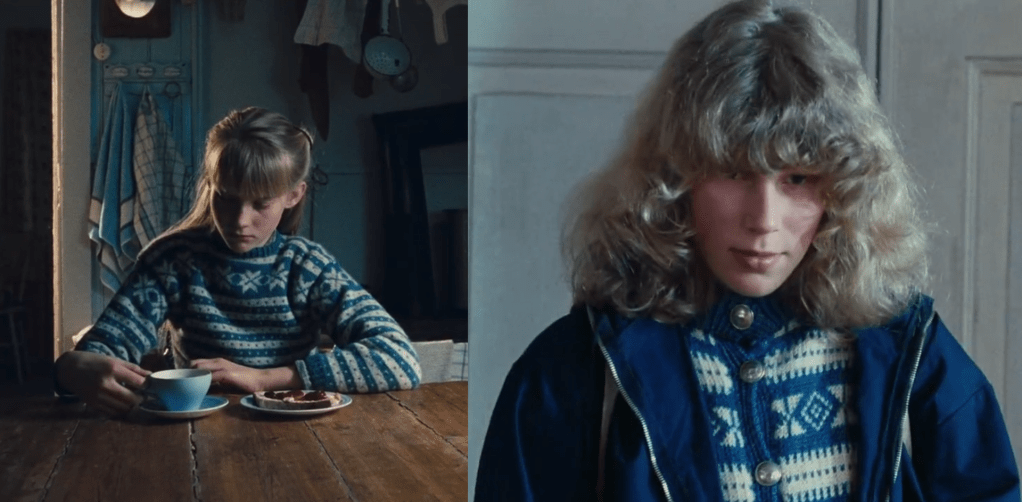
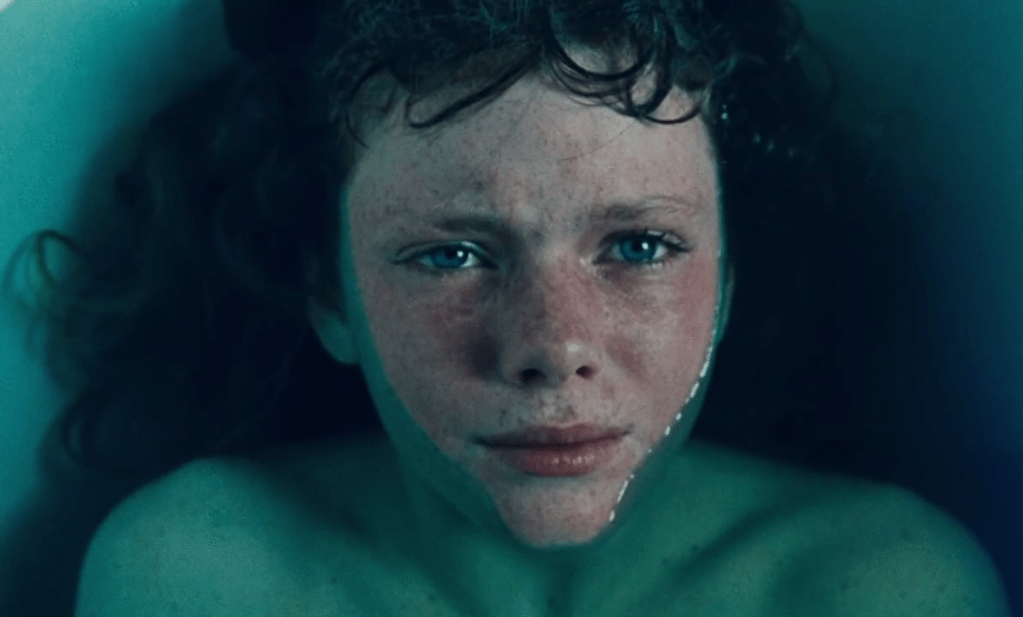
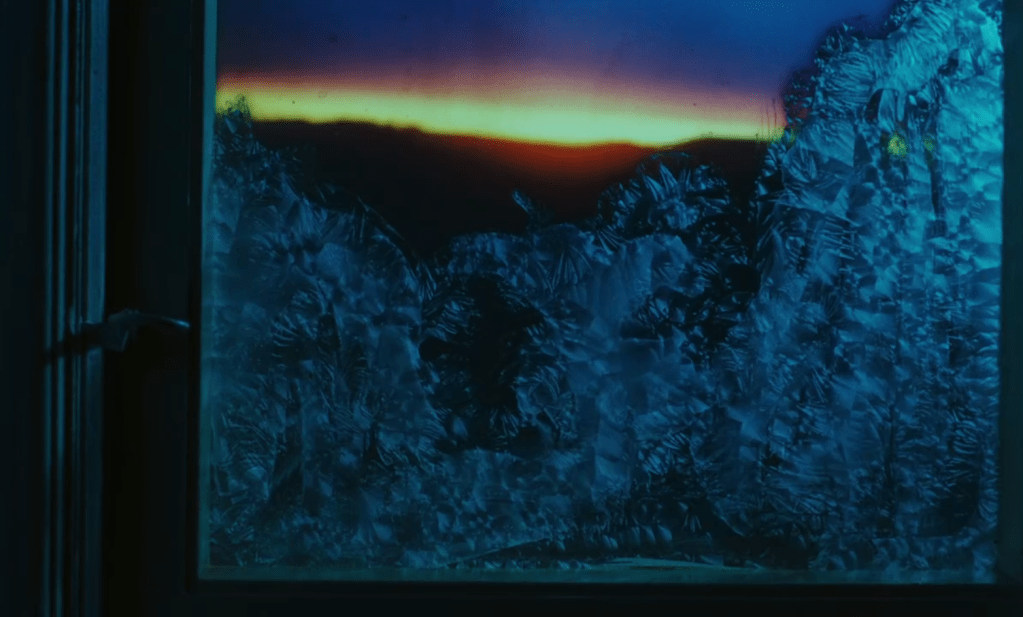
It is at this point I must bring up that there are a couple different versions of the movie, one of which has an additional scene that takes place near the end of the film. It is when Siss gets into a conversation with Unn’s guardian (an Aunt, or grandmother; I’m not clear on this), and the guardian tells Siss she is released from keeping the promise she held for Unn. Honestly, I found this scene unneccesary, considering what comes just before it: Siss discovering Unn frozen within the ice palace, and mourning her while in the bathtub (possibly related to being drenched in water and dealing with hypothermia? To mirror what Unn went through in a metaphorical sense?). To have that discussion come immediately after that, with Siss still denying Unn being dead… just didn’t feel right. The only noteworthy thing about this sequence is the line, “You must not make promises that will destroy you.” That the alternative version of the film completely excises that sequence feels more natural, as what follows doesn’t need it to get the message through (and leaves the aspect of keeping promises up in the air). Siss picking up the newspaper, having her tears falling on the image of Unn and the news story of the search giving up looking for her… followed by her having a night’s sleep without her being restless or feverish… and then ending with the ice of the palace shattering and washing away, with the land becoming green without any snow. All that is plenty to indicate Siss finally accepts Unn being dead, mourning over her, and emotionally ready to move on. Plus the film is shorter without that needless sequence, and this works better as a shorter (and very slow-paced and atmospheric) film.
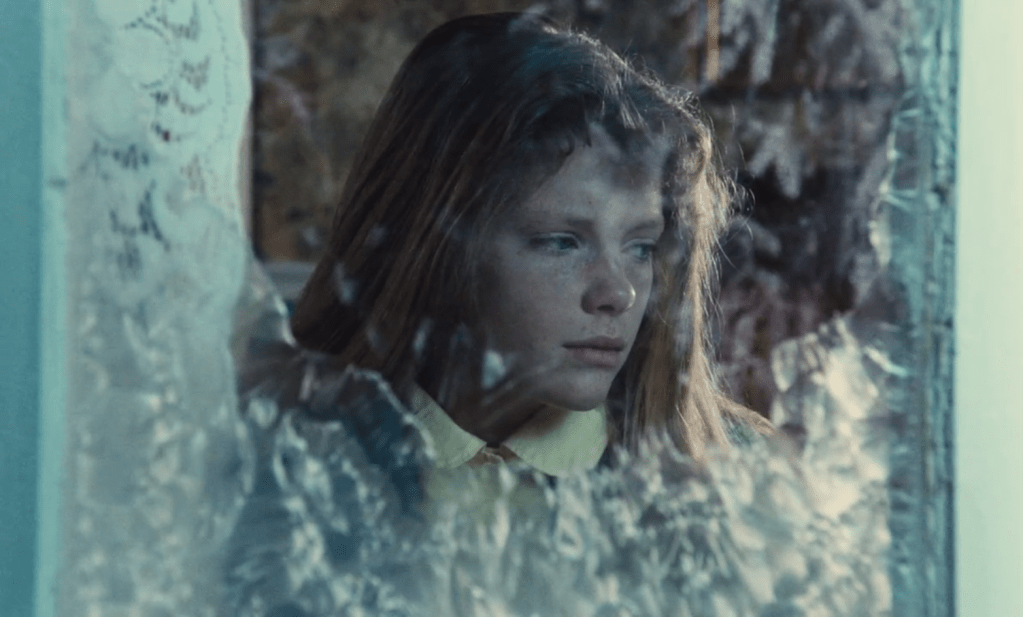
The film’s slow pace, and numerous scenes filled 80% of the time with characters just staring and not talking, only works because of the mesmerizing soundtrack that gives it a dream-like feel. Even so, the film isn’t for everyone. It’s not exactly a happy story, and the lesson it evokes isn’t an original one (being able to grieve and move on). However, it does have nuance that makes it intriguing. Probably the only film I know of that implies that treading the path leading to lesbianism is the wrong one to take. Also one of the few films that dares to showcase teen (or pre-teen) nudity so blatantly, but with artistic integrity; the implication of innocence at this imagery contrasted against one of a less innocent mind who deep down knows better.
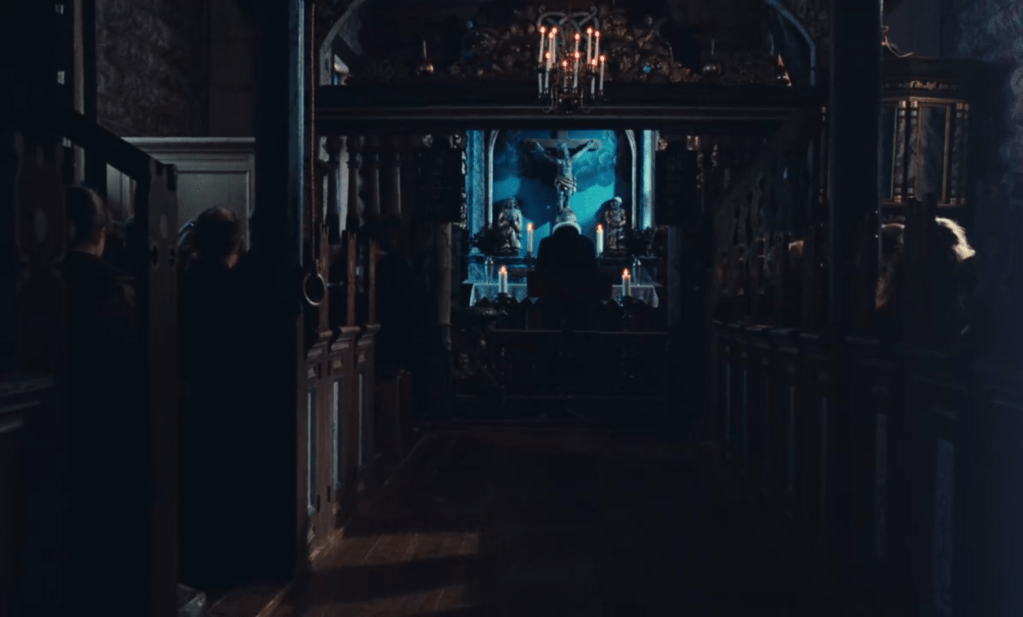
A film for the mature responsible minds. A minority in this day and age, but a significant minority that must carry on until a day comes when we’re no longer a minority. While not wrong to wander the ice palace for a brief amount of time to admire what currently is, to ponder on the harshness of the present reality, to acknowledge the fascination of how it had formed up to that point, it does no good to linger within it. Because the ice always melts eventually, and years will go by until a new palace is formed. And the world goes on and on.
 The Anomalous Host